Expert Dishwasher Repair in Tewksbury, MA
Appliance Repair for Homes & Businesses in Tewksbury, Massachusetts and Nearby Areas
Dishwasher Repair in Tewksbury, Massachusetts | Appliance Repair Pros
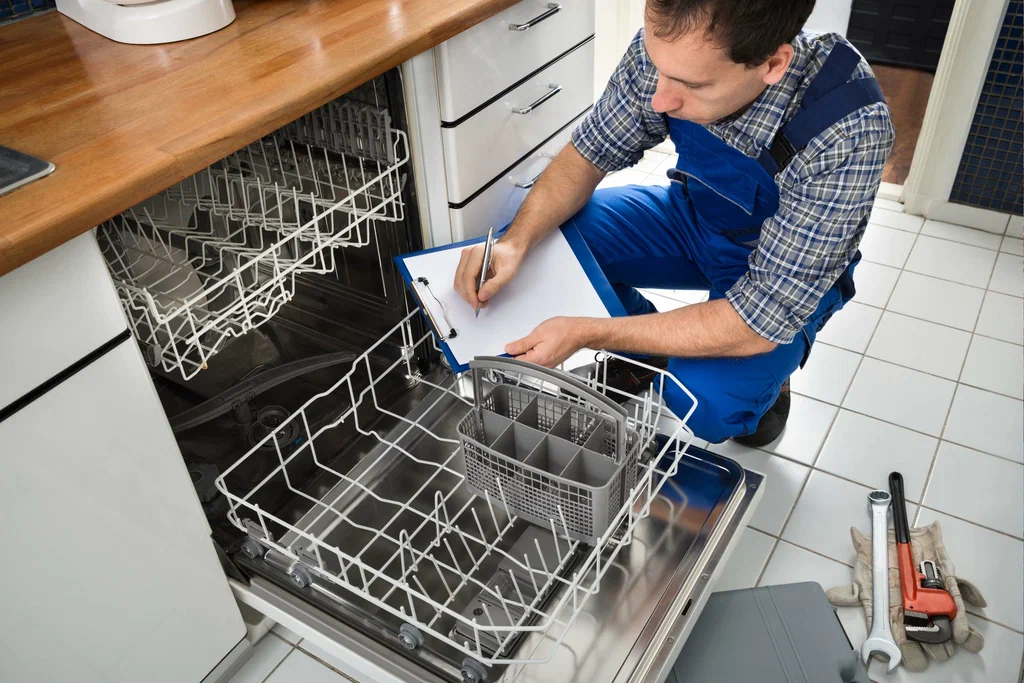
A broken dishwasher turns a convenient evening routine into a frustrating chore. Instead of relaxing after dinner, you are left standing at the sink scrubbing plates and silverware by hand. Dishwasher Repair in Tewksbury, Massachusetts is our specialty, and we are dedicated to helping local homeowners reclaim their time. We serve the entire Tewksbury community and extend our expert services to nearby areas like Andover, Wilmington, and Billerica.
You might notice that your glasses come out cloudy, the unit refuses to drain, or the cycle runs far longer than it should. Perhaps you hear loud grinding noises during the wash or see a puddle of water forming on your kitchen floor. These are all signs that your appliance needs professional attention. Whether you live in a single family home near the center of town or a condo complex closer to the highway, our team understands the local plumbing and electrical setups common to the area. We approach every job with a commitment to careful diagnostics and respectful work habits, ensuring your kitchen remains clean and your appliance is treated with care.
Contact us today for assistance.
Dishwasher Repair Services in Tewksbury
We provide a complete range of repair solutions for all types of dishwashing units. Our goal is to assess the condition of your machine accurately and implement a lasting fix. We understand that modern kitchens feature a variety of appliance styles, and our technicians are trained to handle the specific mechanical and electronic needs of each one. From standard units to high end integrated models, we have the tools and knowledge to get them running efficiently again.
Dishwasher systems we work on:
- Standard built in under counter units
- Portable or rolling dishwashers
- Drawer style dishwashers
- Integrated panel ready models that match your cabinetry
- Stainless steel tub units
- Plastic tub models
- Compact and apartment sized units
- Smart appliances with Wi-Fi connectivity
What makes dishwasher repair tricky:
- Complex electronic control boards that manage timing and temperature
- Turbidity sensors that measure water clarity
- Diverter motors that direct water to different spray arms
- Hidden heating elements that are difficult to access
- Intricate drainage pumps and macerators
- Door seal alignment and tension springs
- Water inlet valves that rely on precise pressure
- Safety float switches located in the base of the unit
Common Dishwasher Problems We Fix
Dishwashers are hardworking machines that combine water, heat, and electricity. Over time, components wear out or become clogged with debris. We see a wide variety of issues in Tewksbury homes, but the following problems are the most frequent.
Dishwasher Is Not Draining
Opening your dishwasher to find a pool of dirty, grey water at the bottom is one of the most common complaints we receive. This standing water can smell bad and may leak out if the door is not sealed perfectly. It indicates that the dirty water from the wash cycle cannot exit the machine, leaving your dishes unsanitary.
Likely causes:
- Blocked drain filter filled with food particles
- Kinked or clogged drain hose
- Failed drain pump motor
- Broken pump impeller
- Obstruction in the garbage disposal connection
- Check valve failure
How we diagnose it:
We start by manually inspecting the filtration system and the sump area for large debris like broken glass or bone fragments. We then test the drain pump to see if it receives power and spins freely. We also check the entire length of the drain hose for blockages and verify that the knockout plug in your garbage disposal was removed if it is a new installation.
What you can do right now:
Check the filter at the bottom of the tub and remove any visible debris. Ensure that your kitchen sink drains properly, as a clog there can back up into the dishwasher.
Water Leaking on the Floor
A leak can range from a few droplets to a major flood that damages your hardwood or tile. You might notice water pooling directly in front of the machine or seeping out from underneath the cabinetry. This is an urgent issue because water damage can spread quickly to your subfloor and lower cabinets.
Likely causes:
- Worn or torn door gasket
- Loose hose connections
- Cracked water inlet valve
- Defective pump seal
- Corroded heating element nuts
- Door latch not pulling the door tight
- Using too much detergent creating excess suds
How we diagnose it:
We remove the kickplate to inspect the underside of the unit while it runs a short cycle. We look for drips originating from hoses, the pump housing, or the motor shaft. We also inspect the door seal for rips, brittleness, or food buildup that prevents a watertight closure.
What you can do right now:
Stop using the machine immediately. Check the door seal for any obvious gaps or debris. If the leak is severe, turn off the water supply valve under the sink.
Dishes Come Out Dirty or Spotty
The primary purpose of your appliance is to clean, so it is frustrating when plates come out with food stuck to them or glasses are covered in a white haze. This often forces you to wash the load again by hand, defeating the purpose of having the machine.
Likely causes:
- Clogged spray arm holes
- Broken spray arm support
- Detergent dispenser failure
- Low water temperature
- Inlet valve not allowing enough water in
- Circulation pump failure
- Hard water mineral buildup
How we diagnose it:
We check the water temperature to ensure it reaches at least 120 degrees Fahrenheit. We inspect the spray arms to ensure they spin freely and that the jets are clear of hard water deposits or seeds. We also test the detergent cup to verify it opens at the correct time in the cycle.
What you can do right now:
Run the hot water at your kitchen sink before starting the dishwasher to prime the line. cleaning the spray arms with a toothpick can also help clear blocked jets.
Dishwasher Is Not Drying Dishes
If your dishes are soaking wet hours after the cycle ends, your drying system may be malfunctioning. Plastic items are naturally harder to dry, but ceramic and metal items should be hot and dry. This issue often leads to mold growth if the moisture is left inside the dark, warm tub.
Likely causes:
- Burnt out heating element
- Malfunctioning high limit thermostat
- Broken vent fan
- Empty rinse aid dispenser
- Control board relay failure
How we diagnose it:
We test the heating element for continuity using a multimeter to see if the electrical path is broken. We also check the vent fan operation and inspect the rinse aid assembly. Modern units often rely on condensation drying, so we verify that the intake and exhaust vents are clear.
What you can do right now:
Ensure your rinse aid dispenser is full, as this helps water sheet off dishes. Open the door slightly after the cycle finishes to let steam escape.
Unit Will Not Start
You load the racks, add soap, press the start button, and nothing happens. The lights might flicker, or the panel might be completely dead. This is a common electrical or mechanical lockout issue that prevents the cycle from initiating.
Likely causes:
- Door latch or switch failure
- Blown thermal fuse
- Tripped circuit breaker
- Broken door spring or hinge
- Control panel touchpad failure
- Main control board malfunction
How we diagnose it:
We start by checking the power supply at the junction box. If power is present, we test the door switches to ensure the machine knows the door is closed. We also check the thermal fuse, which is a safety device that cuts power if the unit overheats.
What you can do right now:
Check your home’s electrical panel to see if the breaker has tripped. Verify that the door is latching firmly and is not obstructed by a rack.
Dishwasher Making Loud Noises
While no dishwasher is silent, it should not sound like a rock crusher. Grinding, thumping, or high pitched squealing noises indicate that a moving part is failing or that a foreign object is interfering with the wash mechanics.
Likely causes:
- Hard debris trapped in the chopper blade
- Worn wash pump bearings
- Defective drain pump
- Spray arm hitting dishes
- Loose mounting brackets
How we diagnose it:
We listen to the machine during different stages of the cycle to isolate the sound. We check the pump housing for seeds, glass, or plastic bits. We also inspect the wash arm clearances to ensure they are not striking tall plates or silverware.
What you can do right now:
Check inside the tub for any loose items like spoons or bones. Spin the spray arms by hand to see if they hit anything.
Dishwasher Not Filling With Water
If you hear the machine humming but no water is entering, the wash cycle cannot happen. You might open the door mid cycle to find the bottom of the tub completely dry. Without water, the heating element can overheat and cause damage.
Likely causes:
- Failed water inlet valve
- Stuck float switch
- Clogged inlet screen
- Leak detection system activated
- Door switch failure
How we diagnose it:
We test the voltage at the inlet valve to see if the computer is sending a signal to open. If it has power but no water flows, the valve is bad. We also check the float assembly, which tells the machine when the water level is high enough, to ensure it moves freely.
What you can do right now:
Ensure the water supply valve under your sink is fully open. Lift the float switch in the tub gently and see if it drops back down smoothly.
Cycle Takes Too Long
Modern energy efficient dishwashers run longer than older models, but if your cycle is taking four or five hours, something is wrong. This wastes energy and keeps you from using your dishes when you need them.
Likely causes:
- Thermostat not sensing heat
- Heating element failure
- Sensor failure causing loops
- Clogs restricting water flow
- Cold water entering the unit
How we diagnose it:
We check the turbidity sensor which detects how dirty the water is. If this sensor is dirty, it may keep the machine washing unnecessarily. We also check the heating loop, as the timer often pauses until the water reaches a specific temperature.
What you can do right now:
Clean the interior of the machine with a dishwasher cleaner to remove mineral buildup on sensors. Run hot water at the sink before starting the load.
Safety Notes for Dishwasher Issues
Dishwashers present a unique safety challenge because they combine high voltage electricity with water. When these two elements meet due to a malfunction, the risk of shock or fire increases. It is important to treat any irregularity with caution. If you suspect a serious issue, it is always safer to disconnect the appliance and wait for professional help rather than attempting to force it to run.
If you see these issues do this first:
- If you see active leaking or standing water around the base, turn off the water supply valve under your sink immediately to prevent flooding. Place towels to soak up the water and prevent slip hazards.
- If you see smoke or smell burning plastic, do not touch the machine. Go to your electrical panel and flip the circuit breaker labeled for the dishwasher to the “Off” position.
- If you see sparks coming from the control panel or the door latch area, cut the power at the breaker immediately. Do not touch the door handle.
- If you see a tripped breaker repeatedly, do not keep resetting it. This indicates a short circuit or an overloaded component that could lead to an electrical fire if forced to operate.
Brands We Service for Dishwasher Repair in Tewksbury
Every manufacturer designs their appliances differently. A pump assembly in one brand might look completely different from another, and the electronic logic used to control the cycles varies widely. We have extensive experience with all major market brands, ensuring we can source the right parts and apply the correct repair techniques for your specific model.
Whirlpool family and similar designs (Whirlpool, Maytag, KitchenAid, Amana)
This group of appliances is extremely common in Tewksbury homes. They are known for robust filtration systems and powerful choppers. While generally reliable, the internal components are often modular and shared across the brands.
Common issues we see with these models:
- Food chopper blade stripping out
- Control board relays failing
- Top rack adjuster clips breaking
- Drain pump obstructions
- Diverter motor leaks
Why correct diagnosis matters:
Because these brands share parts, it is easy to misdiagnose a problem if you do not understand the subtle differences in their wash cycles. For example, a KitchenAid may have a more complex filtration system than an Amana, requiring a specific disassembly process to access the pump.
GE family (GE, Hotpoint, and related lines)
GE dishwashers are workhorses with strong motors and efficient hard food disposers. They often use a different style of pump assembly than other brands and have distinct electronic control interfaces.
Common issues we see with these models:
- Electronic control board failures
- Door latch sensor issues
- Inlet valve solenoids failing
- Spray arm hubs wearing out
Why correct diagnosis matters:
GE units often have specific service modes that allow us to test individual components without pulling the machine out. Knowing how to access these modes saves time and ensures we replace only the broken part.
Samsung and LG
These brands are known for their sleek designs and advanced technology. They frequently use direct drive motors and complex sensor arrays to optimize water and energy usage.
Common issues we see with these models:
- LE or OE error codes related to leaks or drainage
- Main PCB (printed circuit board) failures
- Drain pump failures
- Water inlet assembly issues
Why correct diagnosis matters:
These units are highly computerized. A simple sensor error can stop the entire machine. We have the technical manuals and training to interpret these digital signals correctly, preventing unnecessary replacement of expensive motors.
Frigidaire and Electrolux
These units are popular for their value and effective cleaning. They often utilize a plastic tub design in base models and stainless steel in premium lines. They are generally straightforward to service but have specific wear points.
Common issues we see with these models:
- Door latch assemblies failing
- Circulation pump motor weakness
- Heating element terminals burning out
- Lower spray arm support breakage
Why correct diagnosis matters:
Frigidaire models often have issues with the door latch that can mimic a power failure. We know how to distinguish between a bad switch and a blown fuse, saving you from buying a control board you do not need.
Bosch and Thermador
German engineering makes these dishwashers some of the quietest on the market. They use a unique water junction box system and often do not have a hard food grinder, relying instead on a precise filtration system.
Common issues we see with these models:
- E15 error code (leak detected in base)
- Water inlet valve failure
- Drain pump blockage
- Control module failure
Why correct diagnosis matters:
Bosch units have a safety basin underneath the main tub. If water enters this basin, the machine locks down. Identifying the source of the leak requires specific knowledge of the complex hose routing in these machines.
Understanding Common Dishwasher Error Codes
Modern dishwashers communicate problems through digital displays. While these codes are helpful, they are rarely the final answer. They indicate a symptom, not necessarily the root cause. We use these codes as a starting point for our physical inspection.
- Leak Detected (Various Codes): Often points to water in the safety pan. We must find the source of the leak, which could be a hose, pump, or seal.
- Drain Error: Indicates the water is not leaving the tub fast enough. We check for clogs or pump failure.
- Fill Error: The machine did not get enough water in the allotted time. Usually points to the inlet valve or float switch.
- Temperature/Heater Error: The water did not get hot enough. We test the heater and thermostat.
- Motor/Pump Error: The main wash pump is not spinning at the correct RPM. This could be a jam or a failed motor.
- Communication Error: The main board cannot talk to the user interface. Often requires checking wiring harnesses.
- Door Open Error: The latch sensor is not engaging. We check the strike plate and switch.
- Turbidity Sensor Error: The sensor that “sees” dirt is malfunctioning or dirty.
Maintenance Tips for Dishwasher Owners in Tewksbury
Taking care of your dishwasher can extend its lifespan significantly and prevent emergency calls. Simple habits can keep your machine running smoothly for years.
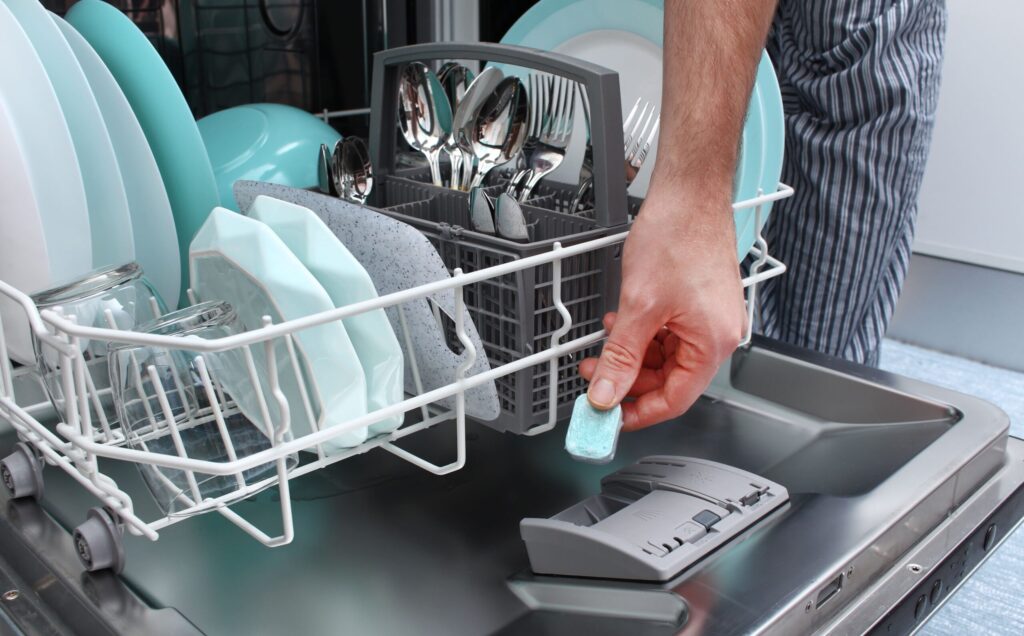
Clean the Filter Regularly: Most modern units have a manual filter at the bottom of the tub. Twist it out and rinse it under the sink every few weeks to remove trapped grease and food particles. A clogged filter restricts water flow and strains the pump.
Run Hot Water First: Before you start a cycle, run the hot water at your kitchen sink until it is steaming. This ensures the first fill of the dishwasher is hot, which helps detergent dissolve better and cleans dishes more effectively, especially in colder months.
Use Rinse Aid: Rinse aid is not just for shine; it lowers the surface tension of water, allowing it to sheet off dishes and preventing spots. It is essential for modern drying systems that rely on condensation.
Inspect the Racks: If the vinyl coating on your racks gets nicked, the metal underneath will rust. This rust can ruin your dishes and clog the pump system. Repair nicks with vinyl touch up paint immediately.
Don’t Overcrowd: Water needs to reach every surface. If plates are touching, the spray cannot clean between them. Follow the loading guide in your manual.
Check the Spray Arms: Spin the arms occasionally to make sure they move freely. Check the holes for seeds or debris and clear them with a toothpick if needed.
Run a Cleaning Cycle: Once a month, run an empty load with a specialized dishwasher cleaner or a cup of vinegar to break down mineral deposits and grease buildup.
Keep the Seal Clean: Wipe down the door gasket with a damp cloth to remove food residue. This prevents leaks and keeps the door closing tightly.
Service Area for Dishwasher Repair in and Around Tewksbury, Massachusetts
We are proud to be a local service provider focused on the Merrimack Valley area. Our technicians are stationed to respond quickly to homes throughout Tewksbury and the immediate surrounding towns. We understand the traffic patterns and neighborhoods, allowing us to arrive promptly. Whether you are near the Merrimack River or closer to the bustling center of town, we are your neighbors and are ready to help.
We serve the following nearby locations:
- Tewksbury
- Andover
- North Andover
- Wilmington
- Billerica
- Lowell
- Dracut
- Chelmsford
Zip codes we serve:
01876
Frequently Asked Questions
Why is my dishwasher leaving a white film on my glasses?
This is usually caused by hard water minerals or using too much detergent. The white film is often calcium or magnesium deposits. Try using a high quality rinse aid and checking your water hardness. We can also inspect the water softener system if your dishwasher has one built in.
Is it worth repairing an older dishwasher?
If your unit is under 7 years old and the repair involves a minor component like a valve or seal, repair is usually the best option. However, if the machine is over 10 years old and requires a major motor or control board, replacement might be more prudent. We can give you an honest assessment after diagnosing the specific issue.
How long does a dishwasher repair typically take?
Most repairs are completed within one to two hours once we are at your home. Our goal is to fix the issue in a single visit. We carry common parts like drain pumps, inlet valves, and heating elements in our trucks to speed up the process.
Do you service all dishwasher brands?
Yes, we service almost every major brand available in the US market. This includes Whirlpool, GE, Maytag, Samsung, LG, Bosch, KitchenAid, Frigidaire, and Kenmore. We stay updated on the technical requirements for both domestic and international models.
My dishwasher is leaking water, what should I do before you arrive?
If you see active leaking, place towels down to absorb the water and prevent floor damage. Locate the water shutoff valve under your kitchen sink and turn it off. Do not run the machine again until we have inspected it. If the leak is severe, turning off the water to the house may be necessary.
Why does my dishwasher smell bad?
Odors are often caused by trapped food in the filter or drain hose. Bacteria build up in these dark, damp areas. Cleaning the filter and running a sanitation cycle with a cleaner usually helps. If the smell persists, there may be a deeper clog or a drain installation issue.
Can I find reliable dishwasher repair near me in Tewksbury?
Yes, Appliance Repair Pros is dedicated specifically to Tewksbury and the surrounding communities. We are a local business, not a distant dispatch service, ensuring you get prompt and accountable service from technicians who know the area.
What happens if the part needs to be ordered?
While we carry many parts, some specific components must be ordered. If this happens, we will secure the part quickly and schedule a return visit at your earliest convenience to complete the repair. We verify the part availability before leaving your home.
Why is there water left in the bottom of my dishwasher?
A small amount of water in the sump area is normal to keep seals moist. However, if water covers the filter completely, it indicates a drainage problem. This could be a clog, a bad pump, or an issue with the air gap or garbage disposal connection.
Do you repair commercial dishwashers?
We focus primarily on residential units found in homes, condos, and apartments. Residential machines operate differently than high speed commercial sanitizers, so we stick to home appliances to ensure the highest quality of service.
Conclusion
A functioning dishwasher is essential for a clean and organized kitchen. At Appliance Repair Pros, we take pride in restoring this convenience to homeowners across Tewksbury, Massachusetts. Our diagnostic approach is thorough, ensuring we identify the root cause of the problem whether it is a simple clog or a complex electronic failure. From Andover to Billerica, we are the trusted local resource for reliable appliance service. Do not let dirty dishes pile up.
Reach out to us for assistance.